




- 15 Oct 2026
Marine Battery Replacement South West Sydney | How to Choose the Right Boat Battery
Choosing the right marine battery is crucial for reliable engine starting, smooth running of onboard electronics, and overall safety on the water. A marine battery is far more than just a car battery in a waterproof casing boats operate in harsh marine environments and subject batteries to continuous wave impact, long idling periods, and heavy auxiliary electrical loads.
For boat owners searching for marine battery replacement in South West Sydney, understanding the differences between marine battery chemistries and choosing the exact specifications will make the replacement process fast and reliable.
At SW Batteries, we carry dedicated power options for all marine setups and vehicle types:
- Marine Batteries
- Deep Cycle Batteries
- AGM Batteries
- Car & Sedan Batteries
- SUV & 4WD Batteries
- Truck Batteries
- Motorcycle Batteries
- Tractor & Farming Batteries
- Stop-Start Batteries
Why Are Marine Batteries Different From Car Batteries?
Installing a standard car battery in a boat is strongly discouraged. Automotive batteries are designed to sit securely in a stable engine bay and provide short cranking bursts. Marine batteries, on the other hand, feature heavy-duty internal plate construction and robust casing to resist continuous vibration and hull impact from pounding waves.
Learn more in our detailed guides:
The 3 Main Types of Marine Batteries
- 1. Marine Starting Batteries: Engineered to supply high Cold Cranking Amps (CCA) to turn over outboard or inboard petrol and diesel boat engines quickly.
- 2. Marine Deep-Cycle Batteries: Built with thick lead plates to handle repeated, continuous discharge cycles. Perfect for powering fish finders, radios, trolling motors, livewells, and cabin accessories. Read about the differences between deep-cycle and marine batteries.
- 3. Dual-Purpose Marine Batteries: Combine starting power and deep-cycling capabilities in a single casing—ideal for smaller boats with limited dual-battery tray space.
Why Do Boat Batteries Go Bad When Not Used?

One of the most common issues boaters face is a flat battery after weeks or months in storage. Marine batteries naturally self-discharge over time. Furthermore, small parasitic loads—like bilge pumps, radio memories, and GPS telemetry can slowly drain power even when the main isolator switch is off.
Leaving a battery in a discharged state leads to sulfation (lead sulfate crystal buildup on the plates), which permanently reduces capacity and kills service life. Read our article on whether marine batteries go bad when not used and learn how to extend marine battery life.
What to Check Before Buying a Marine Replacement
- Voltage & Capacity (Ah): Match your system’s voltage requirements (12V or 24V setups) and total Amp-hour draw.
- Marine Cranking Amps (MCA / CCA): Verify engine starter output requirements.
- Physical Dimensions & Mounting: Measure length, width, and height to ensure the unit fits in the battery box or hold-down tray.
- Terminal Type & Layout: Marine batteries often use threaded stud posts alongside standard auto posts to secure multiple wiring ring terminals.
Local Marine Battery Supply & Assistance in South West Sydney
Whether you have a tinnie, ski boat, commercial vessel, or cruiser, SW Batteries provides expert testing, replacement, and delivery across South West Sydney.
We offer:
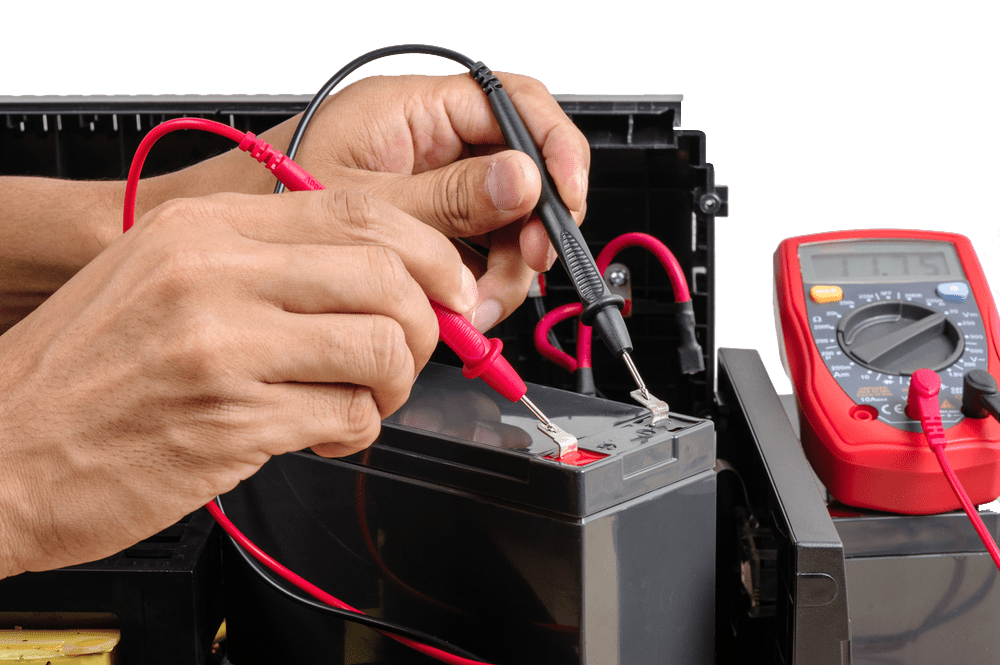
- Free Battery Diagnostics & System Testing
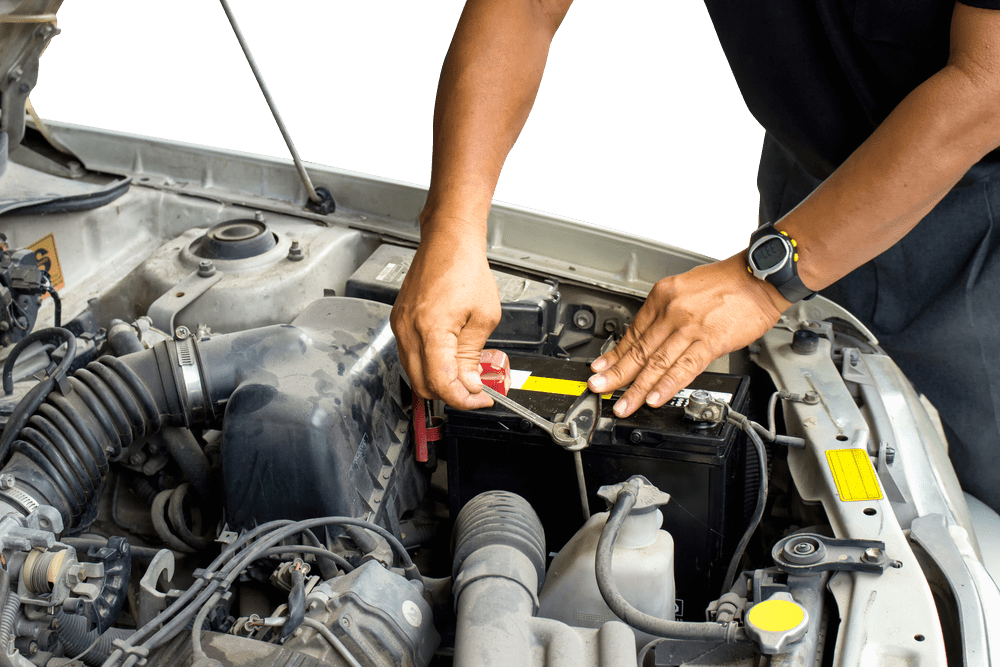
- Mobile Delivery & Professional Installation
- Dedicated local service throughout Campbelltown, Liverpool, Macarthur, Narellan, Camden, and Ingleburn.
Frequently Asked Questions
Can I use a deep-cycle battery to start my boat engine?
Standard deep-cycle batteries are built for long, continuous draw rather than quick starting spikes. Unless it is explicitly rated as a dual-purpose battery, using a deep-cycle battery as an engine starter can cause premature wear.
How long should a marine battery last?
With proper charging, regular maintenance, and trickling during off-season storage, a quality marine battery typically lasts between 3 to 5 years.
Why does my marine battery keep going flat during storage?
Self-discharge, corroded connections, or parasitic electrical drain from bilge pumps and accessories are common culprits. Using a multi-stage trickle charger during extended storage prevents battery breakdown.
Conclusion
Selecting the right marine battery requires matching engine cranking needs, accessory load, battery chemistry, and physical tray space. Don’t leave your day on the water to chance with an untested or automotive battery.
If your boat engine is cranking slowly or your electronics are dropping out, contact SW Batteries today or visit us for expert marine battery replacement in South West Sydney.



 Digital Transformation By